Neuro-Tech
[Deep Learning 101] Deep Learning Architecture and Training Principles (Part 1): The Beginning of Deep Learning, Artificial Neural Networks
Introduction
So far, we have explored image data and AI functionalities required for deep learning. In particular, we have seen that balanced data and accurate labeling are essential for improving the performance of deep learning models.
Many media portray artificial intelligence as having a human-like sense of self, but in reality, AI is closer to a tool specialized for specific tasks. In this article, we will take a look at the emergence of artificial neural networks—the starting point of deep learning—and the key events that drove its technological advancement.
Into the History of Deep Learning: The Emergence of Artificial Neural Networks
Artificial neural networks are the foundation of deep learning development and can be considered the driving force behind the current AI era. The following are four major events that have influenced the development of artificial intelligence and deep learning since the emergence of artificial neural networks.
The Birth of the Perceptron
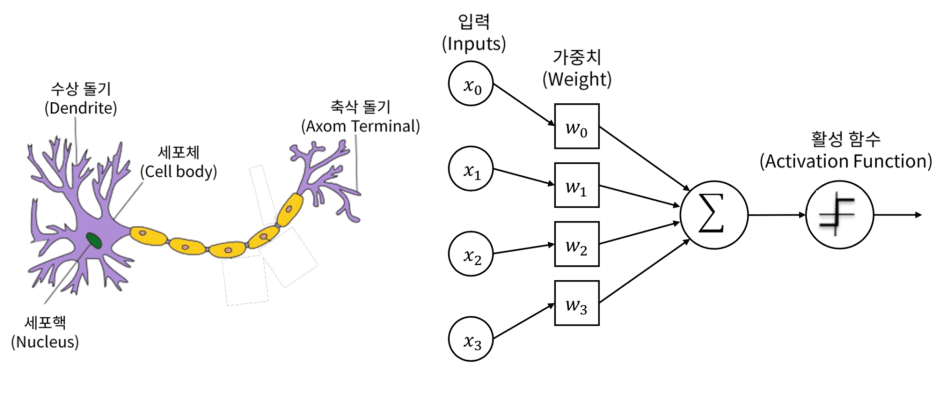
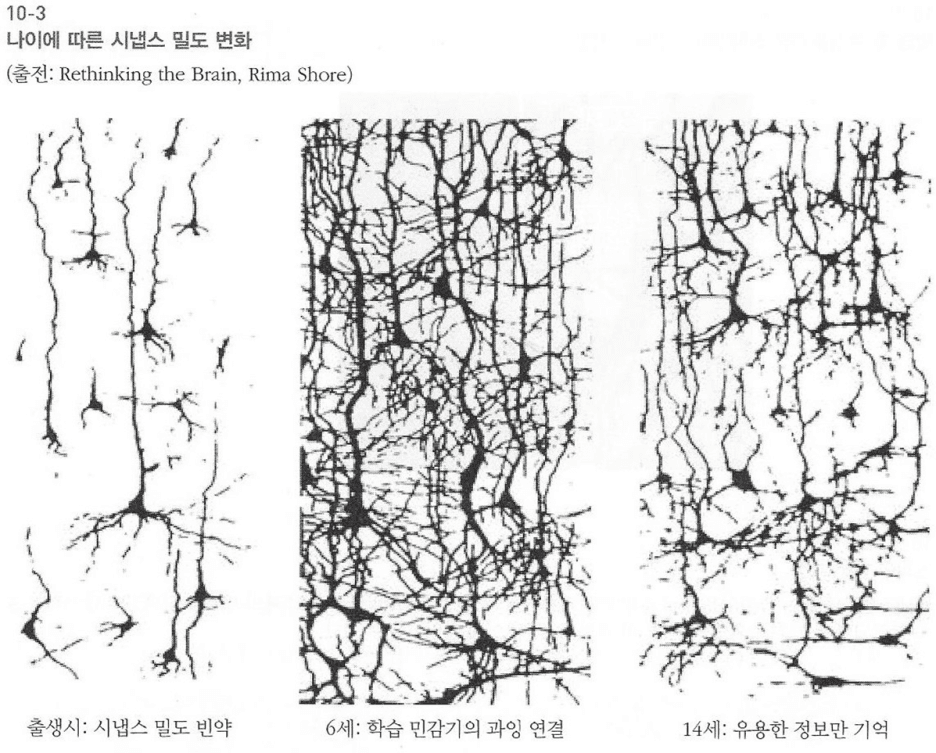
Artificial neural networks were inspired by the human brain. The perceptron, an early form of artificial neural network, mimics the connection structure between neurons and synapses in the brain. Synapses change through experience and learning, a property known as “plasticity.” Reflecting this characteristic, the perceptron was designed to generate outputs by adjusting weights on input signals.
The Backpropagation Algorithm that Revived Neural Networks
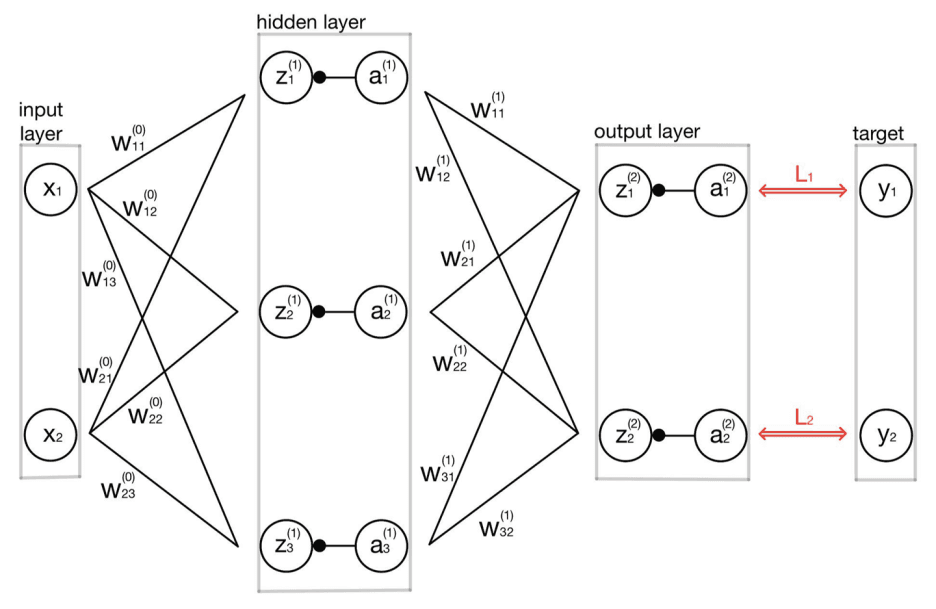
Due to its simple structure, the perceptron had limitations in solving complex problems and did not receive much attention for a period of time. However, in 1986, David Rumelhart introduced the backpropagation algorithm, which revitalized research in artificial neural networks.
The backpropagation algorithm calculates the difference between the model’s predicted value and the actual value and adjusts the weights accordingly. This can be compared to adjusting the next golf shot based on where the previous shot landed. Through such iterative adjustments, artificial neural networks gradually produce more accurate outputs.
The Emergence of CNN
CNN (Convolutional Neural Network), introduced by Yann LeCun in 1998, is a deep learning architecture specialized for image processing and is widely used to solve various vision problems. Here, convolution refers to scanning parts of an image with a filter to extract features, similar to observing something with a magnifying glass. Through this process, CNNs can effectively recognize useful patterns within images.

The Emergence of AlphaGo
AlphaGo demonstrated the potential of artificial intelligence to the world by defeating Go champion Lee Sedol, based on deep learning and reinforcement learning. This event challenged the long-held belief that humans held an advantage in the game of Go. Lee Sedol won one out of five matches and came to be known as “the only human to defeat AI.”
This match symbolized the entry of AI into domains of human intelligence, and AlphaGo later evolved into AlphaZero. Its developer, DeepMind, further introduced AlphaFold, an AI for protein structure prediction, achieving major breakthroughs in the field of life sciences, which led to a Nobel Prize.

Source: Yonhap News Agency
Today, we live in an era where various large language models (LLMs) are deeply integrated into everyday life. Many people use AI as a tool in both work and daily activities, and a wide range of professions are directly and indirectly influenced by it.
However, AI still has limitations in metacognition, and the issue of hallucination remains an unresolved challenge. While humans can quickly distinguish between what they know and do not know, AI often produces completely incorrect answers despite using vast computational resources. Recently, concerns have also been raised about whether AI is reaching its technological limits.

Conclusion
Today, we explored the emergence of artificial neural networks—the starting point of deep learning—and the key events that led to its development. Even though AI technology may seem complex, understanding its historical context makes it much more approachable. We hope this article has helped you better understand the evolution of deep learning.
In the next article, we will build on this and explore the concepts, structures, and various types of deep learning models.